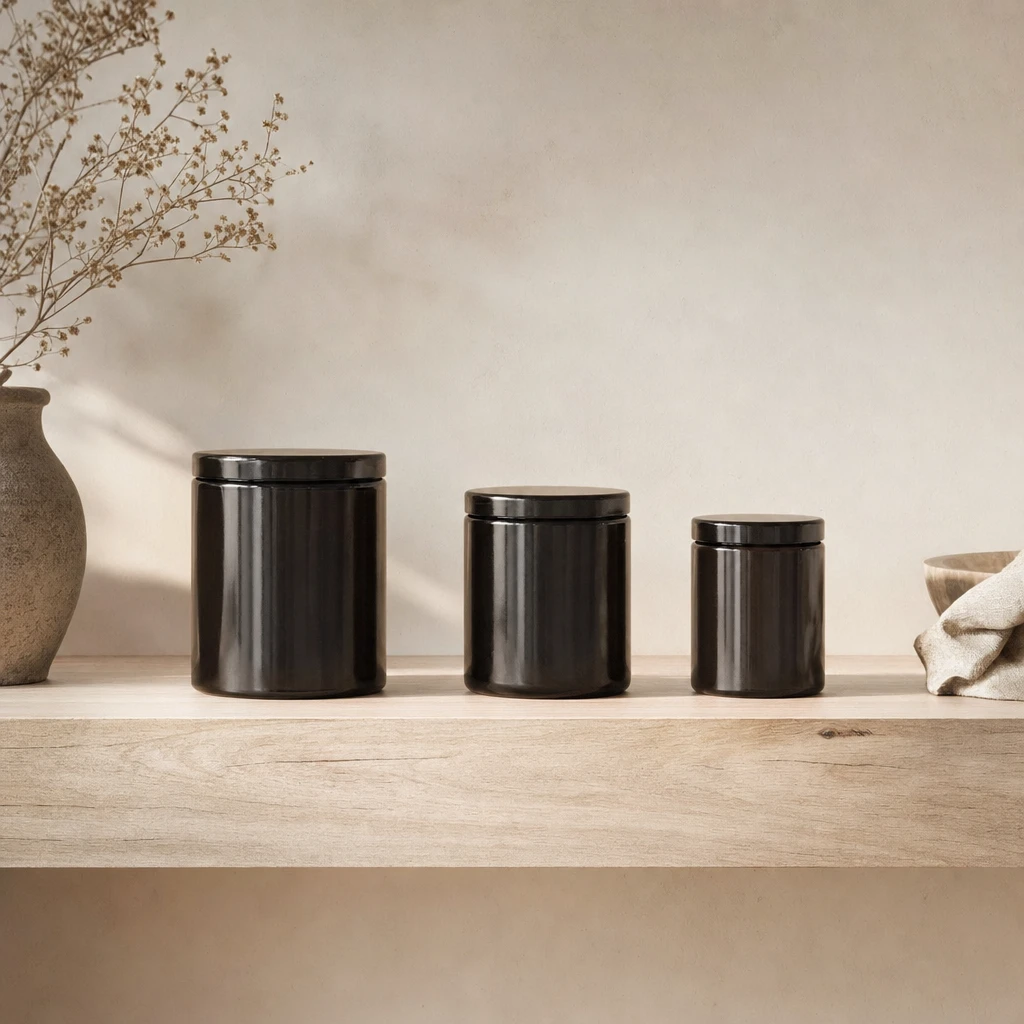
Every shilajit brand in South Africa says it’s the best one. And since the product is a dark resin that looks identical in every photograph, that claim can’t be checked by anyone. So it’s useless.
Here’s a more useful question: what separates one jar from another, in a way you can actually check.
Whether it has been tested, and whether you can see the test. Not “lab tested” on a label. An actual report, from a named laboratory, with a method printed beside every figure.
What the heavy metal results say. Shilajit comes out of rock, and rock carries lead, arsenic, mercury and cadmium. Purification is meant to strip them out. It doesn’t always. A 2025 study in BMC Chemistry found thallium in five of six commercial products tested, and that’s the market this sits in.
The price per gram. Not per jar. Jar sizes here run from 10g to 50g, so sticker prices on their own tell you nothing.
Whether the seller answers awkward questions. Ask what batch a jar is from and whether you can see the report. How quickly they answer, and how specific the answer is, tells you plenty.
| Band | Per gram | Typically |
|---|---|---|
| Budget | R13 to R20 | Large jars, no published testing, origin vague |
| Mid-market | R20 to R30 | Established brands, testing claimed, rarely shown |
| Premium | R30 to R46 | Small jars, badges, pharmacy placement, halal certification in some cases |
Published testing doesn’t reliably appear in any band, including the most expensive one. Paying more buys you shelf placement and packaging more often than it buys you paperwork.
Pharmacy chains carry a couple of resin brands and some capsule versions. Health shops stock intermittently. Marketplaces carry the widest range and the least accountability, and of the four routes that’s the one we’d avoid, because a listing can change hands or change supplier without a single word on the page changing with it. Buying direct from a brand is usually the best price per gram, and it’s the only route where you’re dealing with the people who made the quality decisions. We covered the trade-offs in detail in where to buy shilajit in South Africa.
If the question is which jar contains the most fulvic acid, the honest answer is that you can’t know without a test. And the figures printed on labels aren’t comparable anyway, because the assays differ. Jars claiming 60 or 80 per cent usually turn out to be standardised extracts, or raw resin measured by an assay the seller keeps to himself.
If the question is which jar you can verify, the field narrows fast. Very few sellers in this country publish a batch-numbered certificate at all.
Our 40g jar is R999. That’s R25 a gram, which is mid-market, even though R999 is one of the larger sticker prices in the country. The jar is bigger than most. The 15g jar is R500, or R33 a gram, which is the usual penalty for buying small.
What we publish for batch 250915, analysed by Qarshi Research International, accredited to ISO/IEC 17025:
| Parameter | Result | Method |
|---|---|---|
| Lead | Not detected | AOAC 999.10/11 |
| Arsenic | Not detected | AOAC 999.10/11 |
| Mercury | Not detected | AOAC 999.10/11 |
| Cadmium | Not detected | AOAC 999.10/11 |
| Fulvic acid | 35g/100g | Titration |
| Solubility in water | 97.2g/100g | Gravimetric |
Our fulvic figure is 35g/100g by titration, and we print the method next to it so you can see how the number was arrived at. We’re not going to tell you that makes us the best. But it’s checkable, and most of this market can’t say that.
The numbers are above: 15g at R500, 40g at R999, about R10 a day on the bigger jar, and a full published report for every batch from a laboratory accredited to ISO/IEC 17025, method beside every figure.
Hold us to the four tests above; the certificate of analysis answers the first two on its own.
And skipping the checks has a documented cost: when BMC Chemistry analysed six commercial shilajit products in 2025, five contained thallium (Kamgar 2025). No jar gets a pass on that, ours included.
A complementary product, not a medicine. Pregnant or breastfeeding women, and anyone on chronic medication, should speak to a health professional first.
We publish the full laboratory report for the batch shipping now, with the method named beside every result. Read it in full.
See the certificate